
Most homeowners hope for a substantial increase in their home value – and these days many are achieving it when they sell their primary home. But that appreciation can come with a thorny issue: capital gains tax owed when they file their tax returns after selling. If you’re in that situation or anticipating it, you can take advantage of a number of strategies to pay lower capital gains tax on real estate.
First you need to understand the capital gains problem. Many homeowners who purchased their homes long ago have seen huge gains in the value of their residences. When they ultimately sell their houses, the gain may extend beyond the federal tax law’s maximum exclusion amounts on capital gains of $250,000 for single filers and $500,000 for married couples. That can leave the sellers on the hook for a large capital gains tax on the sale.
The problem is that in 1997, when the maximum exclusion levels were added to the tax code, they were not indexed to inflation. So, the limits we see today are still the same as they were in 1997, when these were big numbers and virtually no one went over them. Today, because of inflation, gains of much more than $250,000 or $500,000 are not uncommon, so many people go over, especially in higher-priced markets. Check out below to see what home is currently listed for sale in North Hills in September 2025:
22160 Cumberland Drive, Northville: 4 bedrooms, 2.1 bathrooms, 2,088 sq. feet, 2 car garage, Listed Price: $524,900
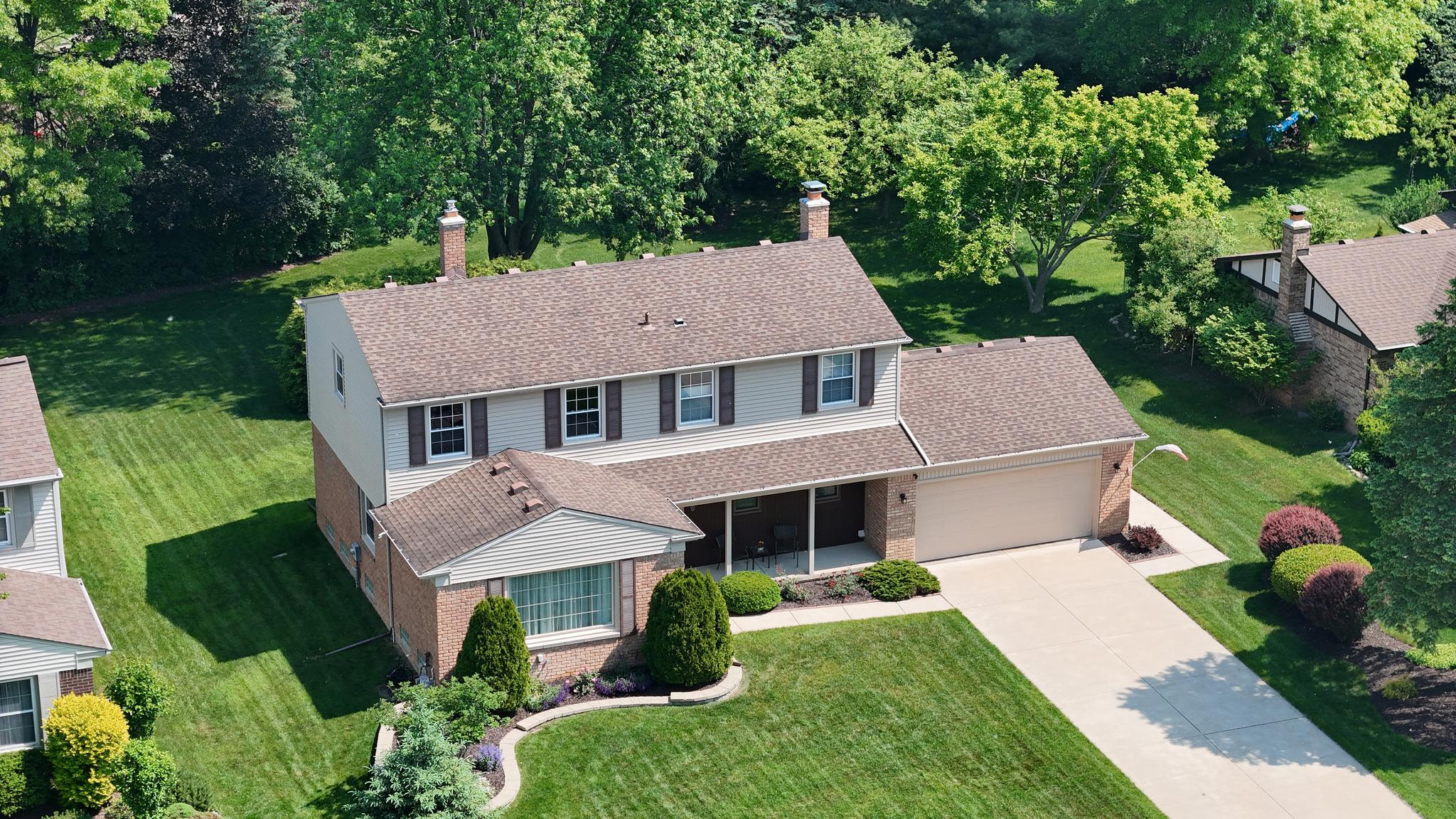
North Hills Home Listed for Sale
September 2025
For more information on North Hills, contact The DiMora Team today at 248-505-7728 or jim@dimora.com.